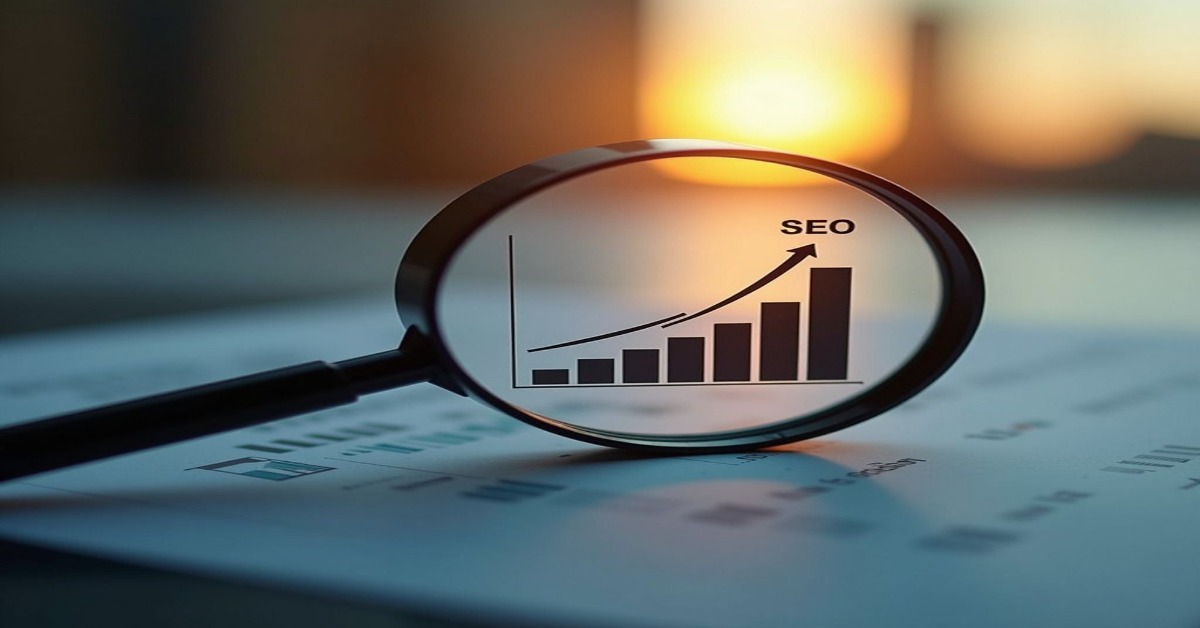
Search engines have become a critical way for people to find businesses, products, services and information online. But alone, a website isn’t enough to draw organic visitors. Your pages should be structured, written and optimised in a way that helps search engines understand what the page is about, but also gives your visitors a good experience. This is where on page SEO services can really shine.
On page SEO services refers to things you can change on your website. Search engines will read and evaluate a number of factors when evaluating a page including page titles, headings, content, keywords, internal links, images, urls and meta descriptions. These things work in tandem to give your website a better foundation in terms of showing up in relevant search results.
If your business is targeting customers in the UK, good on-page optimisation can also help you to create content that is relevant to the language, needs and search behavior of your target audience. If you run a local business, a professional services company, an e-commerce website or an emerging online brand, a well-optimised website can help you maintain long-term organic visibility.
On page SEO services improve your website by making each page clearer, more relevant and easier for both visitors and search engines to understand. Effective on-page SEO focuses on elements such as content, headings, keywords, metadata, URLs, images and internal links.
Well-structured pages help search engines understand your content and its relevance to specific searches. At the same time, clear headings, useful information and relevant internal links make it easier for visitors to find what they need.
The focus should not be on repeating keywords but on answering search intent. For example, a page targeting “on page SEO services” should explain what these services include, why they matter and how they can benefit a website.
When these elements work together, on page SEO services can make your website more organised, useful and search-friendly, creating a stronger foundation for organic visibility.
Search engines need to know what a page is about and what it’s for to be able to determine whether or not to show it in search results. If your content is not clear, well-structured or complete with important optimisation elements, search engines will have a hard time figuring out how relevant your content is.
That clarity is provided by on page seo services.
A well-optimised page should clearly indicate its primary subject by means of its title, headings, content, URL, meta data, images and internal links. These elements help provide context and help create a logical link between the different parts of your website.
On-page optimisation is also important, as search visibility alone is not sufficient. Even if a page does appear in search results, visitors need a reason to stay, read, explore or inquire. Clear headings, useful content, logical navigation and relevant information can make a page easier to use.
This is especially helpful for UK businesses that are competing in search results where there could be many companies providing similar products or services. Good optimisation can help your website better communicate its expertise, and make sure that important pages are matching up with the searches your potential customers are making.
Full on-page SEO strategy is not one ranking factor but rather a number of elements. The actual work will depend on the site, industry, current performance and goals but common areas will include:

Keyword research is finding the words and phrases that people type into search engines when looking for information, products or services. Once you have identified the relevant keywords, they can be integrated naturally into the relevant pages.
It’s about being relevant, not just reciting. A main keyword can set the topic for the whole page while related terms can provide more context.
For example, website optimisation, SEO content optimisation, internal linking, meta tags and on page seo services are all included naturally in an on-page optimisation page. These related ideas allow you to build rich content without repeating the same phrase in every paragraph.
The title tag is one of the most important elements which tells the topic of a page. It can also tell if someone will click on a search engine result.
A good title is relevant, short and written for users and search engines. It should describe what the page offers. It shouldn’t be repetitive.
A good title also helps to differentiate your page from other search results and sets the right expectation before someone clicks through to your website.
Meta descriptions are short descriptions of a web page. They’re not normally thought of as a direct ranking factor, but they can affect how a search result is displayed and prompt users to click through to the page.
A good meta description will describe the value of the page clearly and use relevant keywords naturally where appropriate. The heading should be supported by the text and not just repeat it.
Headings divide content into different sections. A logical heading hierarchy makes long-form content easier to scan and helps readers to quickly find the information they need.
The H1 should clearly represent the main topic of the page, with H2 and H3 headings breaking supporting topics into digestible sections.
For example, an article on the on page SEO services may involve headings like definition, key services, benefits, techniques, differences from technical SEO, FAQs, etc.
Great on-page SEO is all about great content. How do you treat an ear infection in a baby? Here is the question.
Possible improvements include: improving existing sections; expanding areas where information is missing; removing repetitive parts; making the text easier to read; and adding helpful supporting material.
The aim is to have content that is genuinely useful to the reader, not just content that meets a keyword requirement.
Simple descriptive URLs can make pages easier to read. A clean URL is one that is usually able to tell you what the page is about without the numbers, symbols and complex structure.
Example: URL related to on-page SEO services should be short and relevant to the actual content.
Internal links are links from one page of your website to another. They can also help visitors find related information and help provide a clearer structure across your website.
For instance, an SEO article might organically link to related service pages, blog posts, or guides. This can help search engines better understand the relationships between pages and help users to navigate your website.
So, a good internal linking strategy is an important part of on page SEO services.
Pictures can make a page more visually appealing and useful, but they need to be optimised properly. The right image sizes, descriptive alt text and appropriate file names and formats will help create a better website experience.
Also, image optimisation can help search engines understand what visual content is for.
Even the most informative content is a bad experience if it is hard to read. Visitors can quickly leave a page if there are large blocks of text, unclear headings, too much jargon and repetitive sentences.
Good on-page optimisation takes care of search relevance and readability. To make content easier to consume, shorter paragraphs, descriptive headings, lists where appropriate and straightforward language will help.
Businesses looking to improve their organic presence through investing in on-page optimisation can gain a number of benefits.
Optimised pages send clearer signals to search engines about what they are and their relevance. This can give pages better chances to appear for relevant searches.
SEO cannot guarantee you a ranking position, but improving the quality and relevance of a page will help it compete better in organic search.
Getting ranked for the wrong searches isn’t going to get you any meaningful business results. On-page SEO is all about matching your page content with relevant search intent, which increases the likelihood of attracting visitors who are genuinely interested in the topic, product or service.
For example, a service page should be optimised for the service related searches, not for unrelated high volume terms.
Many SEO improvements also make sites easier for people to use. Good navigation, logical headings, useful content, descriptive links and readable layouts all contribute to a better experience.
SEO and user experience combined can make a website more useful, not just more search engine optimised.
On-page optimisation is an encouragement for businesses to write in depth about topics. Instead of creating thin pages based on isolated keywords, businesses can create content that answers big questions and covers related topics.
This can help you build up stronger topical relevance across your site.
A good internal linking strategy can help important pages to be found easier. This also helps in building relationships between service pages, blog posts, guides and more.
This can result in a more organised structure of a website over time.
SEO can continue to deliver value after individual optimisation efforts are complete, whereas paid advertising can deliver visibility during a campaign.
Ongoing on-page optimisations build a better foundation for long-term organic growth. Improvements might be worth it over time but it is contingent upon the competition, the quality of your website, the demand for your search and many other factors.
SEO shouldn’t stop when people arrive at a website. The page should be easy for the right visitors to understand what the business does and then take the next step.
Good service information, persuasive but natural copy, strong calls to action, trust signals and easy navigation can help convert organic visitors into inquiries or customers.
A strong optimisation strategy is not just one action but rather a combination of several techniques.
One important technique is to match each page to a clear search intent. Before optimising content, it’s useful to know if users are looking for information, comparing, researching a service or getting ready to buy.
Another method is to create a good content hierarchy. The main topic should be obvious immediately, with the supporting sections answering related questions in a logical order.
Keyword placement is also important. Incorporate primary and secondary keywords in a natural way in relevant areas such as headings, introduction and body copy, image descriptions and metadata wherever applicable. Too much repetition can make the content sound unnatural and lower the quality.
Remember, older content can be worth updating, too. Existing pages may have outdated content, weak areas, broken links, or better keyword opportunities. These pages are subject to review and improvement to be useful.
Also, you should do regular internal linking. Do not isolate important pages from the rest of the site. Links to relevant sites help visitors to find other resources and to understand the wider topic that the website covers.
Another tactic that can be helpful is to add depth to your content. It doesn’t mean putting in words that are not there. No, content should be in enough useful detail to answer the user’s questions adequately.
On page and technical SEO are closely related, but they are different facets.
On-page SEO is the content and elements that are visible to users on a page, or that directly describe a page. This covers everything from titles, keywords, content, title tags, meta descriptions, URLs, images and internal links.
Technical SEO is more the technical infrastructure of the website. These can include things like crawling and indexing, site architecture, page speed, mobile usability, structured data, canonicalisation and other technical things.
Both are significant. A website that is technically sound can still be penalised for poor content optimisation. Likewise, even if the content is good, the search engines may not be able to crawl and index the website properly.
This is why for many businesses it’s helpful to think of on-page and technical SEO as two sides of the same coin in a larger search engine optimisation strategy.
Doing an on-page SEO review of a business’ website can be good for any business.
New websites can be built to be optimised for a stronger foundation from the start. You might need an audit of existing websites to identify missed opportunities, outdated content, poor keyword targeting or structural issues.
On-page SEO is great for sites that have good content but aren’t getting a lot of organic traffic. This can work well when target service pages are not ranking for relevant searches or when the visitors finding blog content are not the target audience.
If a business is entering new services or locations, they might also require optimisation of new pages around relevant search terms.
Where local relevance can be added in a natural way for UK businesses where appropriate. This might be creating location specific service pages, using the correct UK terminology and creating content that appeals to the target audience.
Core Click approach to website optimisation is practical, combining SEO strategy with content and digital know-how.
Our on page SEO services work can focus on identifying opportunities for optimisation across key website pages and improving the elements that influence relevance, usability and search visibility.
This can include things like keyword research, content optimisation, metadata improvements, heading structure, internal linking, URL recommendations, image optimisation and wider on-page SEO recommendations.
The optimisation process should not be a one size fits all approach for each website but rather a consideration of the business, audience, competitors, existing website structure and overall marketing goals.
The aim is to build pages that are useful to visitors and give stronger clues to search engines about what the site has to offer.
On-page optimisation can be also used with content creation, technical SEO, link-building and performance monitoring, as part of a bigger SEO strategy. This leads to a more integrated approach to organic growth.
From keywords and headings to content, metadata, images and internal links, on-page SEO fine-tunes the elements that help your pages perform better in search.
There’s no fixed timeline. Some improvements can show relatively quickly, while stronger organic growth usually comes from consistent optimisation and monitoring.
Yes. They can help small businesses appear for more relevant searches, attract the right visitors and build a stronger online presence without wasting effort on unnecessary optimisation.
Think of content SEO as one part of the bigger picture. On-page SEO also covers headings, metadata, URLs, images, internal links and other elements that shape the page.
It can give your pages a stronger foundation for search visibility, but rankings depend on many factors. Good optimisation improves your chances without promising a specific position.
A good website foundation is the first step toward a successful SEO strategy. On page SEO services helps to build that foundation by making individual pages clearer, more relevant and useful, and easier to navigate.
From keyword placement and content structure to metadata, internal linking, images and user experience, every element can affect how well a page conveys its purpose. When these elements are fine-tuned they can build better opportunities for relevant organic visibility and long term business growth.
The solution for businesses in the UK market is not to simply add in more keywords. It’s learning what potential clients are searching for and building pages that offer real, helpful answers and solutions.
If you are launching a new website or improving an existing one, investing in on page SEO services can help transform your website into a stronger organic marketing asset. With the right strategy and constant optimisation, your pages can become more competitive, more useful for visitors and more aligned with your business goals.