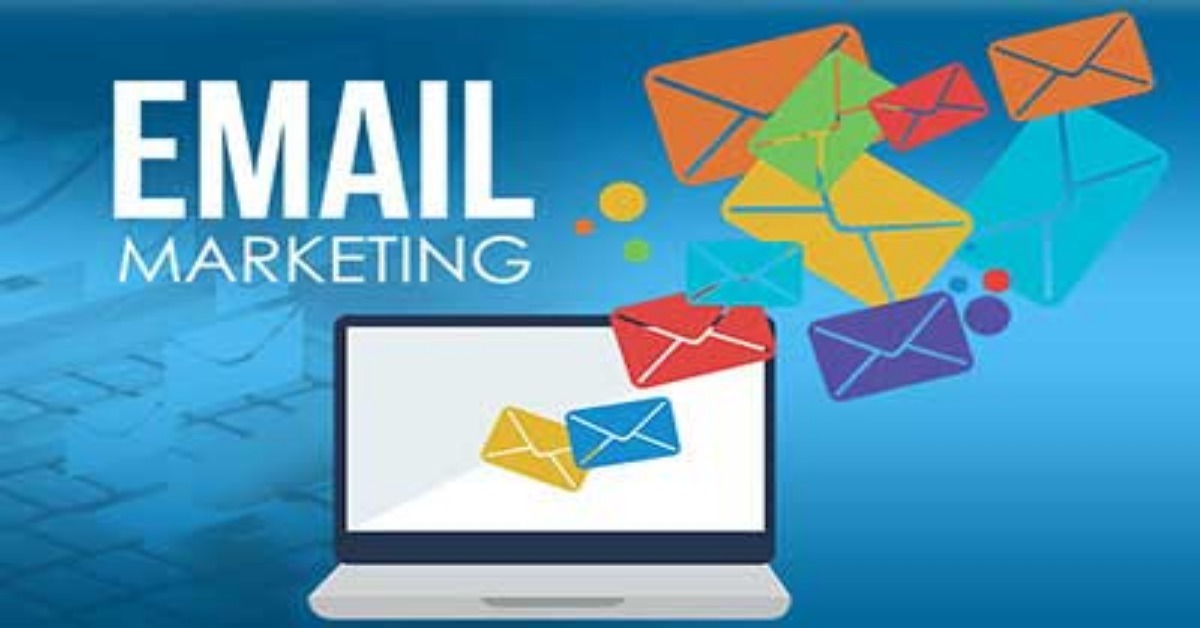
Email is still one of the most direct ways a business can stay connected to its customers. People may discover a company through Google, social media, paid ads or word of mouth, but an Email Marketing Agency can help businesses continue that relationship after the first visit.
A well-planned email campaign can do much more than just send offers to a mailing list. It can introduce your business to a new customer, share useful information, bring people back to your website and encourage existing customers to take the next step.
And that’s where an Email Marketing Agency comes into play. An experienced team can help you sort out what to send, who should get it, when to send it and how to measure the results instead of just firing off emails without a plan.
Emailmarketing is especially valuable for UK companies because it enables companies to forge direct relationships with their audiences without having to rely on changing social media algorithms or paid advertising.
An email marketing agency plans, creates, manages and improves the email marketing campaigns of businesses.
The work can include anything from writing newsletters and promotional emails to setting up automated sequences, organizing subscriber lists and reviewing the performance of a campaign.
The precise service varies by business. A small local company might need regular newsletters and basic automation and an ecommerce brand might need abandoned basket emails, product recommendations and customer retention campaigns.
A good agency starts with an understanding of the business and its audience. The goal is not to just send more emails. It is about delivering useful and relevant messages to the right people.
This could include:
The objective is to make email a useful part of the overall marketing strategy, rather than a standalone activity.
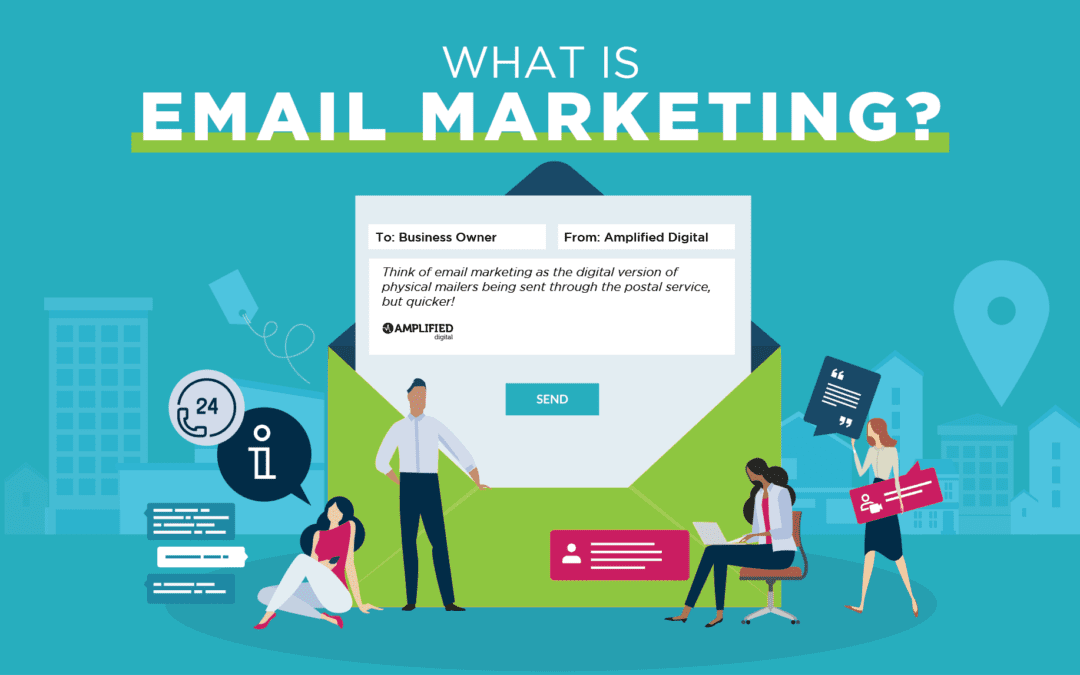
People get emails every day, but that doesn’t mean email marketing is dead. Businesses still use email because it’s a direct way to communicate with people who have already shown some level of interest.
A person who subscribes to your list has made a small commitment. Your business has been chosen to give evidence.
That gives you a chance to build the relationship over time.
For example, a business could send emails to:
Email can also bolster other marketing channels. Someone on Google could find your business, read a blog post, and join your email list. Later, an email could bring that person back to a useful service page or resource.
That makes email marketing a useful tool for different points in the customer journey.

An agency’s function can be more than just writing and sending emails.
Usually a pro team looks at the bigger picture first. They consider your target audience, your business goals, your existing customer data, and the type of relationship you want to build.
Not everyone on your list has the same needs.
Some people might have just stumbled onto your business. Others may have already purchased from you. Some may want a specific service, some just useful info.
Understanding these differences helps create a more relevant campaign.
Having a clear strategy, gives each campaign a purpose.
Rather than sending an email every time there’s something to say, you can schedule different types of communication depending on your business goals.
That strategy may include content themes, frequency of sends, audience segments, automation, and campaign goals.
They know how to write emails and how to structure them based on the audience and the action you want them to take.
Good email content should be clear and scannable. People have busy lives and the main message should not be lost in a huge block of text.
Once emails are created, campaigns must be scheduled, tested and monitored.
It includes link checks, layout reviews, subject line testing and making sure the right audience gets the message.
Sending an email is not the end of the story.
The results can tell you what your audience responds to and where improvements can be made. This information can then be used to enhance future campaigns.
Every business has its own needs but Email Marketing Services by experts may be used for various purposes.
Strategy is the foundation of your campaigns.
It helps you identify who you want to target, what you want to accomplish and what types of emails make sense to your audience.
A strategy might also involve audience segmentation, content planning, automation and performance targets.
Campaign management is the hands-on aspect of planning and sending emails.
This might involve building campaigns, choosing audiences, scheduling emails, testing content and looking at the results.
By having a consistent process, you’ll avoid those campaigns that feel rushed and disjointed.
Newsletters are a great way to keep your audience up to date.
A newsletter may include industry news, helpful hints, recent articles, company updates, new services or special offers.
The best newsletters aren’t just promotional. They give the subscriber a reason to open future emails.
Automation enables businesses to send specific emails based on actions or events.
For instance, a new subscriber could be automatically added to a welcome sequence. A person who has downloaded a guide can get follow-up information on the subject.
Automation saves time, and allows businesses to reach out to customers at relevant moments.
Every potential customer isn’t ready to buy immediately.
Lead nurturing is a way to keep in touch while a prospect is still researching their options.
Good emails can answer questions, share resources, explain services and build confidence slowly.
This can be particularly useful for businesses with longer sales cycles.
Securing a new customer is only one piece of growing your business.
Email can help businesses keep in touch with existing customers through useful updates, product information, special offers and follow-up communication.
A solid retention strategy can motivate customers to return when they need your services once again.
Effective email marketing begins well before the first email is written.
The business needs to know what it is trying to achieve and who it is trying to reach.
A company may want to:
Once you know what you want to accomplish, you can build your email around it.
The strategy should also take into account how often emails are delivered. Too many messages can annoy your subscribers, too few can make people forget about your brand.
No one size fits all frequency. The correct approach will depend on the audience, industry, content and purpose of the emails.
A good campaign doesn’t have to be complex.
The purpose of the email should be clear, it should contain a useful message and a clear next step.
The subject line is important because it is often the first thing a subscriber sees. It has to give people a reason to open the email, without promising things the content doesn’t deliver.
The body of the email should deliver on that promise.
Calls to action should be clear as well; If you want people to read an article, make it easy to find. If you want them to request a quote send them to the inquiry page.
It’s the little things that can make a difference including:
One of the best things about modern email marketing is automation.
Rather than individually sending each message, businesses can build sequences that are triggered based on certain actions.
For instance:
The business introduces a new subscriber and then gives useful information in a series of emails.
A person downloads a resource and receives information about it that will help him understand the subject.
An ecommerce customer abandons products in their basket and receives a reminder.
The customer receives some information about the order and then some useful product advice or an offer for the future.
That’s a message sent to a subscriber who hasn’t engaged for a while, to try to bring him back to life.
Automation should still seem relevant. The point is not to send a lot of automated messages. It is to make communication more relevant and timely.
A B2B Email Marketing Agency can help companies communicate with professional audiences in a more targeted way.
B2B buying decisions may take longer than many consumer purchases. This can involve a lot of people and customers often want details before they make a decision.
This process can be supported by email, by sharing:
For example, an IT company could send a series of emails that explain common security risks, cloud services or ways to improve business technology.
The goal is not always to make an immediate sale. Sometimes the goal is just to stay helpful and build trust until the prospect is ready to talk business.

Email can be especially powerful for ecommerce brands since there are many opportunities to engage with customers before and after the sale.
An ecommerce business might use email to:
Personalization can also make campaigns more relevant. Businesses can use customer behavior and preferences to send more targeted communication instead of sending the same message to everyone.
The secret is to make it useful and not just spam promotions all the time.
One customer may visit a business several times before making a decision.
They might see the company in a search, go to the website, read an article and leave without making contact.
They sign up for the email list and the relationship can last.
In this phase, people are learning about a problem or looking for possible solutions.
Useful emails can introduce your brand and offer useful information.
The person might be comparing options now.
This is a good time to give more in-depth information, case studies, comparisons and service information.
Emails can be helpful when someone is close to making a decision, to answer questions and clarify the next step.
E-mail can help maintain the relationship after someone becomes a customer.
Helpful follow-ups, updates and recommendations that are relevant can be a motivator for customers to stay engaged.
As a business grows, managing email marketing in-house can become difficult.
An agency brings experience, planning and a structured process to the table.
Planning campaigns, writing emails, creating automation and checking results can be time consuming.
An agency can do much of this work for you, freeing your internal team to focus on other priorities.
There are companies that email frequently and for no apparent reason.
An agency can help tie campaigns into bigger business goals.
By communicating regularly, you keep your business top of mind for subscribers.
A planned approach makes it easier to maintain a regular.
By looking at campaign performance, you can learn some useful information about your audience.
An agency can help spot trends and use them to improve future campaigns.
Email marketing is rarely about one campaign.
Over time a strong list, useful content and well planned automation can be a valuable marketing asset.
There is not one-size-fits-all answer for every business.
If you have the skills, time and tools to run campaigns effectively, an in-house team may be the right choice for you.
If your team is small, your campaigns are getting more complex or you need specialist experience, perhaps an agency is a better idea.
The decision can be made on:
Some businesses mix the two. An internal team may offer you industry knowledge, while an agency can assist with strategy, execution and technical setup.
Don’t go with an agency just because they are the cheapest.
You want a team that understands your business and can explain clearly what it is going to do.
Ask if the agency has experience with businesses like yours.
Ecommerce, B2B, professional services, and local businesses all have different needs regarding the use of email.
A good agency will explain how they deal with strategy, content, campaigns, automation and reporting.
Be sure you know what the service includes.
Some agencies may concentrate on campaign design, while others may offer full strategy and management.
Find out how the campaign will be measured, and how often you will get reports.
When you have an outside team doing part of your marketing, good communication is important.
You know who is working on your account and how to provide feedback.
The cheapest option is not always the best value.
Work with an agency that can help you improve your email marketing over time, rather than just sending emails.
Even a good email strategy can be less effective if you avoid some basic mistakes.
More emails do not mean better results.
If you just promote things your subscribers will lose interest or unsubscribe.
And a vague subject line can leave people wondering why they should open an email.
Make the message clear and relevant.
Many people read e-mail on their mobile devices.
Make Emails Easy to Read and Interact With on Smaller Screens.
A message intended for everyone can wind up feeling relevant to no one.
Audience segmentation can help businesses deliver more relevant content.
Constantly asking customers to buy can damage the relationship.
The overall strategy should include useful information.”
Small changes to subject lines, calls to action or content can impact results.
Testing allows companies to understand what works best for their audience.
Without checking the results, it’s hard to know if the campaigns are helping the business.
Regular reporting provides information to inform future decisions.
The cost of email marketing can be all over the board.
A small business with a simple newsletter requirement will generally have different needs than a larger company running multiple campaigns, customer segments and automated sequences.
The price may vary depending on:
Some companies may only need occasional help, while others find ongoing campaign management to be helpful.
When you choose a plan, consider the work that is included and whether the service will meet your goals, not just the monthly price.
Email marketing must be measurable.
What the campaign is being used for will influence the right metrics, but common measurements include:
This may give an indication of how many recipients have opened an email.
This tells you how many people clicked on links in the email.
If the campaign has a specific goal, such as a purchase or inquiry, conversion rate can help measure how effective the email was in encouraging that action.
A spike in unsubscribes could be a warning sign that your content, frequency or targeting needs some tweaking.
For commercial campaigns the most important question may be whether email is producing revenue or qualified leads.
But looking at a few different measures together gives a better picture than looking at one number.
TheCoreClick understands that email marketing works best when it’s part of your digital strategy.
We don’t just create campaigns, we understand your business, audience and goals.
We can support with planning, content, campaign management, automation and ongoing optimization.
Email can work in conjunction with other digital channels. Your campaigns can support SEO, social media, website content, paid advertising and other marketing activity.
This leads to a more engaging experience for your audience.
If you are building email marketing from scratch, or want to improve an existing program, TheCoreClick can help you build a practical approach that fits your business.
An Email Marketing Agency helps businesses design, create, send and optimize email campaigns. Services may include strategy, newsletters, automation, lead nurturing, campaign management and performance reporting.
Yeah. Email provides businesses with a direct way to talk to people who have signed up to get their messages. Its effectiveness depends on things like quality of the audience, the content, targeting, timing and strategy.
Email Marketing Services may include strategy, campaign development, newsletters, automation, audience segmentation, lead nurturing, customer retention and performance analysis.
Yes. Email is a tool that small businesses can use to keep in touch with customers, provide useful information, advertise services and encourage repeat business. The strategy should be consistent with the company’s resources and goals.
B2B email marketing is communication with professional audiences from one business to another. It can help you generate leads, nurture prospects, share industry information and support longer buying cycles.
Yes. Email can also support other marketing channels by promoting website content, sharing resources and bringing existing audiences back to your website.
A local agency can be useful if you want to communicate directly and have a team that understands the UK market. But the most important factors are experience, strategy, communication and quality of the service.
Email marketing isn’t just about communicating with a list of subscribers. When planned well, it can assist a business in building relationships, remaining connected with customers and helping with long-term growth.
The best way to do this is to know your audience and have a clear purpose for each campaign. The value of email can accumulate over time through useful content, thoughtful targeting, automation and regular performance reviews.
Partnering with a knowledgeable Email Marketing Agency allows you to develop a strategy for your business and leave the planning and daily work up to them.
At TheCoreClick we can help you create email campaigns that are practical, relevant and aligned with your wider digital goals. If you want to enhance your business email, contact our team and discuss what you would like to achieve.